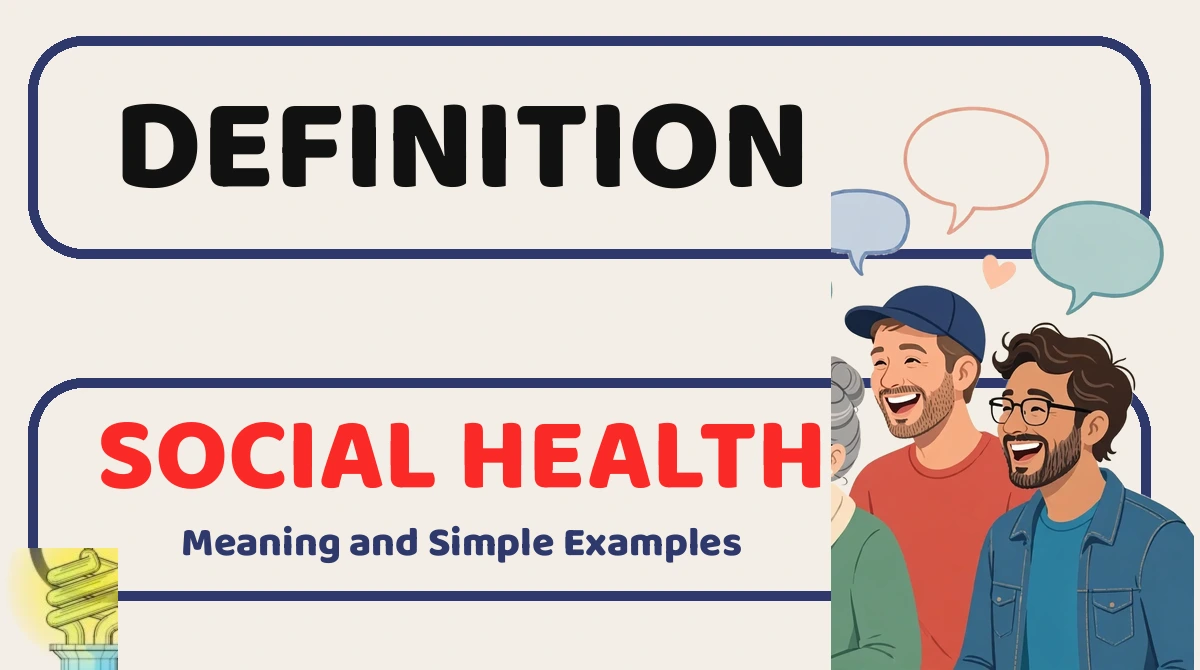
Friends, family, and kind neighbors shape how we feel each day. Many people ask, what is the definition of social health, and the answer is simple and warm. Social health means the quality of your ties with other people in your life. It is having people you trust, talk with, and turn to in good times and bad times. Good social health helps you feel safe, heard, valued, and part of a group that cares. Weak social health can leave you lonely, sad, and stressed. This guide explains the meaning, signs, risks, and easy steps for people of all ages.
What Is the Definition of Social Health?
The definition of social health is simple. Social health is the quality of your bonds with other people. It shows how well you get along, talk, and connect each day.
A person with good social health has close and kind ties. These ties can be with family, friends, neighbors, or work mates. The ties feel safe and fair.
Social health is not just about how many people you know. It is about how good those ties feel. One true friend can mean more than ten weak ties.
It also means you can share your thoughts with ease. You can listen well. You can solve small fights in a calm way. You feel you belong.
For example, Sara calls her sister each week. They talk, laugh, and share news. That close tie is a sign of strong social health.
Signs of Good Social Health
Good social health has clear signs. You can see them in daily life, at home, at school, and at work.
Here are some key signs:
- You have at least one person you trust and can talk to with ease.
- You feel part of a group, like a team, class, club, or family.
- You can say no in a kind way and set clear limits.
- You listen when others speak and show care for their views.
- You spend time with people face to face, not just on a screen.
- You can ask for help when you need it, with no shame.
Another sign is balance. You give help and you take help. Good ties go both ways.
You also feel calm around people. You do not fear each talk. You enjoy time with others and time alone too.
Why Social Health Matters
Social health matters a lot for a full and happy life. Strong ties help both the mind and the body in real ways.
People with strong ties tend to feel less stress. A kind talk with a friend can lower fear and lift mood. A hug or a laugh can make a hard day feel light.
Strong ties also help the body. Studies show that close bonds can help heart health and boost the immune system. People with good ties often live longer lives.
Good social health helps you do well at school and work too. You can share ideas, ask for help, and solve tasks as a team.
For example, Tom felt sick and sad for weeks. His friends called each day and brought food. Their care helped him heal and feel strong again.
In short, we need people, just as we need food, sleep, and fresh air.
Social Health vs. Mental and Physical Health
Health has three main parts. They are social health, mental health, and physical health. Each part is unique, but all three work as one team.
Physical health is about the body. It means you eat well, move each day, and rest well. It means your body feels strong and free of pain.
Mental health is about the mind and mood. It means you can think clear, cope with stress, and feel calm and steady.
Social health is about your ties with people. It means you have kind, safe, and strong bonds with others.
The table below shows the key points side by side.
| Part of Health | What It Means | Simple Example |
|---|---|---|
| Physical health | The state of your body | You walk each day and eat fresh food |
| Mental health | The state of your mind and mood | You feel calm and can cope with stress |
| Social health | The state of your ties with people | You have close friends you trust |
If one part is weak, the others can suffer too. A lonely person may feel sad and sleep poorly. Good care looks at all three parts at once.
What Harms Social Health?
Many things can harm social health. Most of them build up slow, over weeks and months.
Loneliness is a big risk. It is the sad feel you get when you lack close ties, even if people are near you. You can feel lonely in a crowd.
Isolation is also a risk. It means you spend most time alone and rarely see or talk to others. Long isolation can harm mood and health.
Frequent fights and harsh words harm ties too. When trust breaks, people pull away. Old wounds can make it hard to form new bonds.
Too much screen time can hurt as well. Hours on a phone can take time away from real talks. Likes on a post are not the same as a warm talk face to face.
Big life changes can strain ties. A move to a new town, a new job, or loss of a loved one can cut old bonds and make new ones hard to build.
How to Build Good Social Health
The good news is clear. You can build good social health with small steps each day. You do not need to be loud or have many friends.
Start small. Say hello to a neighbor. Smile and ask how they feel. Small kind acts open the door to new ties.
Make time for people you trust. Call a friend. Share a meal. Take a short walk with a family member. Short, regular time counts more than rare, long time.
Join a group you like. It can be a sports team, a book club, a faith group, or a class. Shared likes make new ties easy and fun.
Work on your talk skills too. Listen with care. Ask kind questions. Say what you feel in clear, calm words. Say sorry when you are wrong.
Set kind boundaries as well. A boundary is a clear limit that keeps a tie safe and fair. For example, you can say, “I need quiet time after work, but I can talk at seven.”
Social Health at School
School is a key place for social health. Kids and teens spend most of their day there, with peers and teachers.
At school, good social health means a child feels safe and liked. The child has friends to play and learn with. The child can work in a team and share with ease.
Teachers play a big role. A kind teacher sets clear rules for respect. Class talks, group tasks, and team games help kids learn to share and listen.
Bullying harms social health fast. A child who is teased or left out may feel fear and shame. Schools must act fast to stop harm and keep each child safe.
Parents can help too. Ask your child about friends each day. Note if your child seems lonely or sad. Talk to the teacher early if you see a concern.
For example, Mia was shy in her new class. Her teacher paired her with a kind peer for a project. In two weeks, Mia had a new friend and felt at home.
Social Health at Work
Adults spend a large part of life at work. So social health at work matters a great deal for mood and success.
Good social health at work means you feel respect from your team. You can talk with ease, share ideas, and ask for help with no fear.
Kind bosses and fair rules help a lot. Teams do well when each voice counts. Short breaks to chat and laugh can build trust and ease stress.
Poor social health at work looks quite different. It can mean harsh talk, gossip, or being left out of key talks. Such stress can lead to low mood and poor sleep.
You can take small steps at work too. Greet your team each day. Thank people for their help. Join lunch or a team walk when you can.
If a work tie feels unsafe or unfair, speak up in a calm way. If that fails, ask a boss or a trusted peer for help and support.
Social Health for Kids and Teens
Kids and teens need good social health to grow and learn well. Their bonds shape how they see the world and themselves.
Young kids learn social skills through play. They learn to share toys, take turns, and use kind words. Play with peers teaches them trust and care.
As kids grow, friend groups grow in value. Teens want to fit in and feel liked by peers. This need is normal and strong at that age.
Parents and carers can guide with love. Set clear, fair rules for screen time. Cheer on real play and face-to-face time with friends.
Watch for warning signs. A child who pulls away, eats less, or seems sad for weeks may need help. Talk with care and listen with no rush to judge.
Schools, clubs, and sports give teens safe places to belong. A sense of belonging helps teens feel proud, safe, and ready to learn.
Social Health for Older Adults
Social health stays vital in old age. In fact, it may matter even more as life changes with time.
Many older adults face new risks. Friends may move or pass away. Health issues can make trips out hard. Work ends, and daily contact with peers drops.
These changes can lead to loneliness. Lonely older adults face a higher risk of sad mood, memory loss, and poor body health.
Families can help in simple ways. Call often. Visit when you can. Invite older loved ones to meals, walks, and family events.
Community groups help too. Senior centers, faith groups, libraries, and clubs give older adults a place to meet, talk, and laugh.
Small tech tools can also help. A simple video call lets a grandparent see and hear family far away. Such calls keep bonds warm and close.
For example, Mr. Lee, age 78, joined a morning walk club at his local park. He made three new friends and now feels happy and active each week.
People Also Ask About the Definition of Social Health
What is social health in simple words?
Social health means how well you connect with other people. It is having kind, safe, and trusting ties with family, friends, and your community.
Why is social health important?
It helps you feel happy, safe, and less stressed. Strong ties also support your body, help you heal, and can help you live a longer, fuller life.
What are examples of good social health?
Examples include talking with a trusted friend, joining a club, helping a neighbor, and spending regular time with family you love and trust.
How is social health different from mental health?
Mental health is about your mind and mood. Social health is about your ties with people. The two are linked, but they are not the same thing.
What causes poor social health?
Loneliness, long time alone, frequent fights, loss of loved ones, and too much screen time can all lead to poor social health over time.
How can I improve my social health?
Start with small steps. Call a friend, join a group you like, listen with care, and make time each week for people you trust and enjoy.
Can social health affect physical health?
Yes, it can. People with strong ties often have lower stress, better heart health, and a stronger immune system than people who feel lonely.
Conclusion
The definition of social health is warm and simple. It is the quality of your bonds with the people in your life, at home, at school, at work, and in your town.
Good social health helps you feel safe, valued, and part of a caring group. Small steps each day, like a kind talk or a shared meal, can make those bonds strong.
Start today with one small act of care. Your mind, your body, and your heart will thank you for it.

Daniel Harper
I am simplifies complex literary concepts into clear, practical lessons for students and learners worldwide.
Through SimilesUnivers, he aims to make mastering similes engaging, structured, and academically enriching.